Three hours at Mani Bhavan: how a private room connects to public life
On Laburnum Road in Mumbai's Gamdevi neighbourhood, Mani Bhavan is a house where Gandhi stayed during his work in the city. A useful question to bring inside is not how many photographs of him you can see, but how reading, writing and spinning in a room connected with action beyond its walls. The photographs, preserved room and miniature scenes offer three different ways of exploring that question.
Starting outside the museum, allow around three hours to visit, have lunch nearby and gather your thoughts. Travel to and from your accommodation is additional. The visit involves moving between floors; if stairs affect how much you can comfortably do, ask the museum about available access arrangements before deciding which areas to visit.
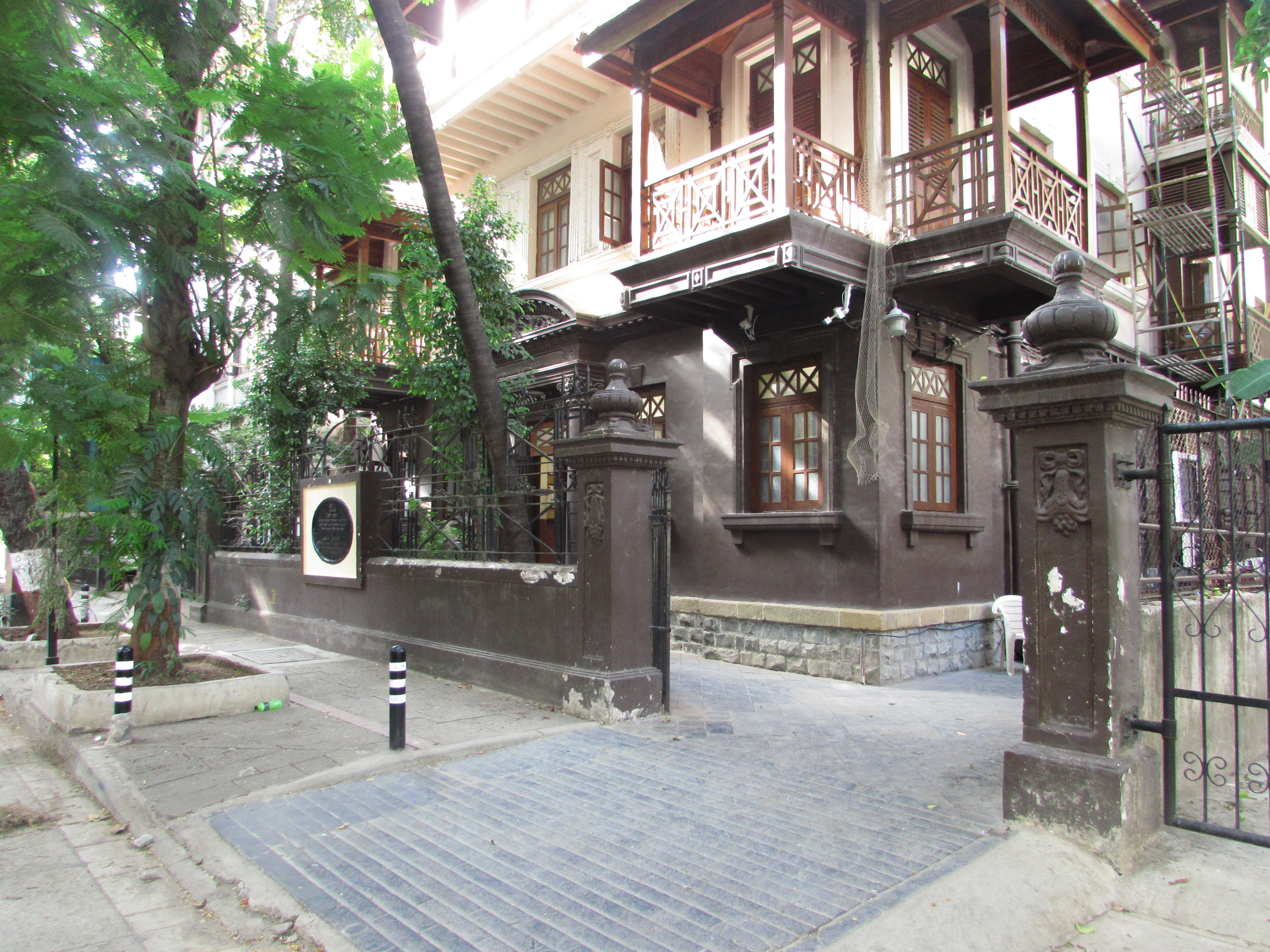
Arrive, then choose a thread to follow
The address is 19 Laburnum Road, Gamdevi. The museum's contact and visitor information lists admission at ₹20 per person and ₹10 for students, with opening hours of 09:30–17:30 daily. Ask about student eligibility and that day's ticket arrangements on arrival. This example begins after the museum opens and finishes after lunch.
| Time | Plan | Minutes included |
|---|---|---|
| 09:30–09:40 | Confirm opening, admission and visiting arrangements outside the museum | Checks and waiting 10 |
| 09:40–10:10 | Photographs: choose one public event and look for what changed around it | Viewing 25, moving between floors 5 |
| 10:10–10:35 | Preserved room: consider everyday practice through writing and spinning equipment | Viewing 20, moving 5 |
| 10:35–11:05 | Miniature scenes: compare a constructed narrative with photographs | Viewing 25, moving 5 |
| 11:05–11:20 | Rest where stopping is permitted and bring one idea together | Rest 15 |
| 11:20–12:10 | Leave the museum and choose a suitable nearby place for lunch | Moving 10, waiting for food and eating 40 |
| 12:10–12:30 | Gather your belongings and make your way to your chosen departure point | Moving 20 |
The total is 180 minutes: viewing 70, moving 45, admission checks and waiting 10, waiting for food and eating 40, and rest 15. These are planning allowances for the visit, movement between floors and meal breaks, not measured walking times or a museum recommendation for how long to spend. Adjust the final travel segment to your actual restaurant and onward arrangements; it does not include waiting for a train or vehicle, or reaching your accommodation.
The library has its own service hours and closed days. The museum opening every day does not mean the library follows the same schedule. Ask about films or recordings in the auditorium; this visit does not depend on a screening being available.
Photographs: give one event a before and an after
The museum's introduction connects Mani Bhavan with several episodes in Gandhi's work in Mumbai, including opposition to the Rowlatt Act, newspaper publishing and decisions before the Round Table Conference in London. Use these as leads for choosing photographs, rather than trying to memorise every date beneath an image.
Start with an event you can explain. Read the names, place and date in its caption, then look at the images around it. Does an earlier photograph show preparations, a meeting or everyday life? Does a later one show a crowd's response, a journey or a situation in which someone's freedom was restricted? If the event you hoped to find is not on view, work with a group of photographs you can understand that day instead of searching back and forth to complete a list.
There is a useful distinction here: a photograph records an instant, while its caption helps place that instant in context. Look first, read second, then put into your own words what changed because of the event. That one sentence may be easier to recall later than a phone full of an entire display wall. Follow the museum's photography instructions and make room for others who want to read the captions too.
The room and miniature scenes: what everyday objects can tell you
The city's historical account of Mani Bhavan describes a floor-bed, desk and spinning wheel in the preserved room, alongside an exhibition of miniature figures. Begin by comparing three things: where a person rested, the space needed for writing, and the equipment used for manual work. They bring a political figure away from the speech-making platform and back to the scale of everyday life.
An austere bed alone cannot explain a whole philosophy. Bring back the event you read about in the photograph gallery and see whether the display text connects it to these objects. Where it does not, leave yourself a question. Observe the room from the areas open to visitors; getting closer or touching an object will not necessarily deepen your understanding.
In the miniature exhibition, choose a scene with clear relationships between its figures. Who occupies the centre? Who faces whom? Which gestures direct attention towards the same point? Read the explanation next and consider how the model compresses a story into a single encounter. Models make the arrangement of figures easier to see; photographs preserve an image from the time. Both reward attention, and neither can stand in for the whole history on its own.
If someone in your group knows little about the subject, each choose a scene and describe one visible action before reading its explanation together. You can make a comparison without first learning an entire biography. Finish with that group of exhibits and keep some energy for the stairs and lunch.
Gather your thoughts over lunch; see less if you run late
After leaving, choose somewhere available nearby in Gamdevi with clear prices and a menu that suits you. Check the wait before ordering a portion you can finish. If you have allergies or need to avoid particular ingredients, ask directly about ingredients and preparation. You might set yourself a personal food-and-drink limit of ₹300. This is an example spending allowance, not a fixed price at local restaurants; admission and transport are separate.
Over lunch, one comparison is enough: did the public activity in a photograph and the everyday objects in the room give you different ways of understanding the same person? If your answer is still vague, simply note a term you would like to investigate. Save library research for another visit, if needed, after checking its arrangements; there is no need to turn this outing into an impromptu research assignment.
If entry takes 15 minutes longer than planned and you have not started the miniature exhibition, shorten its viewing allowance from 25 to 10 minutes, retaining the 5 minutes for moving. If you are 30 minutes behind and have not started the photographs either, reduce photograph viewing from 25 to 10 minutes as well as making the same reduction at the miniatures: together, that saves 30 minutes. You cannot recover time by shortening something you have already finished. If the delay happens later, leave out an unvisited group of exhibits or finish a little later, keeping the time needed for food, rest and a safe departure.
If the main exhibition areas are unavailable that day, looking at nearby streets cannot replace this visit's focus on a person's history. Returning another day is more useful than filling three hours with an unfocused walk.