Four hours in Seongsu: changing uses, familiar walls, then a pause at Seoul Forest
Seongsu rewards a slower look. A new sign above a shop does not necessarily erase the walls, openings or street proportions around it. This half-day centres on the Yeonmujang neighbourhood: look at a few spaces, settle into one café, have lunch, then finish near an entrance to Seoul Forest. The park is a place to unwind, rather than a checklist of gardens and attractions.
Choose a question before choosing a shop
Seoul's neighbourhood introduction describes the shift from factories and warehouses to cultural and commercial spaces. Take a simple question with you: how does a new use fit into an existing building? Notice how an entrance welcomes people, how windows admit light, and how signs sit against walls. These details can be more memorable than a succession of popular shops.
Start by describing the materials, openings and spaces you can actually see. If you want to know what a building used to house, look for an information panel or a reliable account. People still work and live here. Observe and photograph from public areas, keeping doorways, driveways and working entrances clear.
Check Seongsu, Seoul Forest and your return station on the Seoul city map. This itinerary starts outside Seongsu Station and ends outside Ttukseom Station. Seoul Forest Station is a different station, so check the destination before heading back. If you need lifts, wheelchair access or less walking, check usable exits and surface conditions for your visit; the walking allowances below do not establish a continuous step-free route.
Four hours, including queues, lunch and the return walk
| Time | Plan | Minutes |
|---|---|---|
| 11:00–11:10 | Walk from outside Seongsu Station towards Yeonmujang and get your bearings | 10 |
| 11:10–11:50 | First street observation: compare two or three frontages | 40 |
| 11:50–12:25 | One café: up to 10 minutes ordering and waiting, then 25 seated | 35 |
| 12:25–13:10 | Lunch: 10 minutes finding a seat, ordering and waiting; 35 eating | 45 |
| 13:10–13:40 | A second look around the streets, or one open shop's interior | 30 |
| 13:40–14:10 | Walk along public streets open to pedestrians towards a Seoul Forest entrance | 30 |
| 14:10–14:40 | A short 10-minute walk near the entrance, then 20 minutes of rest | 30 |
| 14:40–15:00 | Leave the park and allow time to reach the outside of Ttukseom Station | 20 |
The total is 240 minutes. These are planning allowances, not times measured on foot. They run from outside the starting station to outside the return station, excluding station access, train waits and rides. The lunch allowance also covers nearby movement and choosing somewhere to eat. A place on your way with a short wait leaves more of that time for the meal.
11:00 is this itinerary's start, not a common opening time for the whole district. If a shop opens later, look at the streets first. If that shop is your main reason for coming, rearrange the day around its own hours.
Read the exterior first, then see how a café uses its space
Choose two or three frontages that are easy to observe from public roads: one for its entrance, one for its windows and walls, and one for the way a new sign meets the older exterior. Find somewhere comfortable to pause, take in the proportions, then examine the details. Does the entrance or the window draw your eye first? Does the sign follow the wall's lines or deliberately stand apart? Move to another vantage point when deliveries or crowds need the space.
Visit Seoul's entry for Scene offers one example of mixed uses: a café, a curated retail shop and space rented for pop-ups. Use it as a reference when choosing a place, rather than an obligatory purchase stop. Check the business's own notices for floor arrangements, hours and pop-ups; each shop has its own areas open to visitors.
Pick just one café. Check the menu, seating, queue and purchase requirements before joining. If the estimated wait exceeds 10 minutes, choose somewhere on your way with a shorter wait. Once seated, notice where the light comes from, how seating and circulation are separated, and how older materials sit beside newer fittings. Check photography rules before recording a favourite corner, and leave service routes clear.
If you do not want coffee, use these 35 minutes for a suitable rest stop instead. There is no need to buy a drink just to follow the table, although resting inside a private business still means following its purchase and use rules.
After lunch, follow up one comparison
Lunch gets 45 minutes, with 10 for local movement, finding a seat, ordering and waiting. Choose according to the seats and queues you find, protecting enough time to sit and finish a meal. Budget separately for drinks, lunch, transport and shopping, using the day's menu and minimum-spend rules. Buying nothing is perfectly compatible with looking closely at the neighbourhood.
For the second 30-minute street visit, follow up just one morning question. Does a broad entrance seen from outside lead to an equally generous passage inside? Is a window used for daylight or as a backdrop for merchandise? Step inside when a shop is open and permits entry, or stay on the public street and compare how neighbouring frontages attract attention.
Pop-ups may change over, require reservations or restrict entry. An event with its own queue, ticket or timed experience deserves a different half-day plan, rather than being squeezed into these 30 minutes. At 13:40, finish up and start towards the park.
Stay near a park entrance; individual facilities are a separate visit
The 30-minute walk to Seoul Forest allows for finding your way and ordinary traffic-light waits. It is not a guaranteed clear shortcut. This is mainly an outdoor street walk: use current maps and on-site directions. If works or a closure intervene, reassess the time before deciding whether to continue.
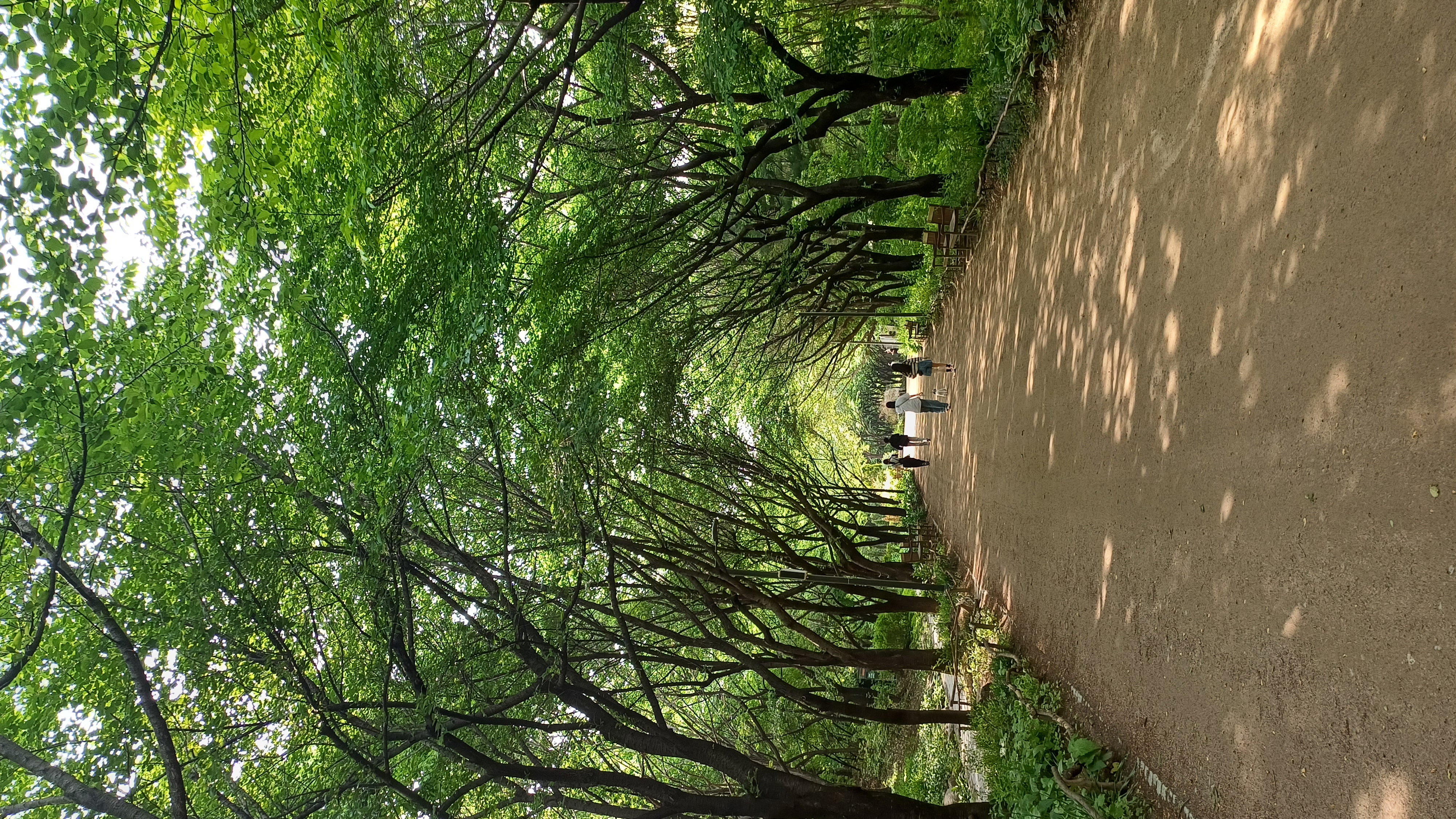
Within the open park area, choose a small section near the entrance: walk for 10 minutes, then sit or rest quietly for 20. Choose a permitted, comfortable resting place according to the seating and shade available. This is a chance to let the dense sequence of shops and streets settle, and think back to the space you liked most.
Seoul Forest's official hours are listed by facility. The Insect Plant Garden closes on Mondays; that does not mean the whole park closes. The Butterfly Garden also has its own season and closing days. This route relies on neither garden and schedules no deer viewing, fountain show or other facility programme. If ecological facilities are your main interest, plan separately around their hours instead of borrowing from this half-hour rest.
When running late, shorten the second street visit first
If you use 10 extra minutes, reduce the second street visit from 30 to 20. If you use 20 extra minutes, reduce it to 10; at 30 minutes late, omit it altogether. Protect lunch, rest and the return walk rather than recovering time by rushing crossings.
For a longer delay or tired feet, skip Seoul Forest, rest somewhere suitable and permitted, then head back. There is no need to keep walking just to fill four hours. Heavy rain, thunderstorms, heat or poor air conditions also favour rest and a return journey; identify a suitable stopping place before moving on.
Normally, leave the park at 14:40. If your route that day needs more time, depart earlier or shorten the small park walk. An unhurried return gives this half-day a comfortable finish between the bustle of the streets and the quiet of the park.