Your first trip to Taipei: choose what interests you, then plan two or three days
It is easy to put every name on the map into one day: an old neighbourhood in the morning, a museum in the afternoon and tea in the hills before evening. What usually disappears is time to eat, wait and sit down. Give each day one main purpose first, then decide whether to stay in one area or set aside another day for a separate outing.
This guide helps you make that choice. Start with Wanhua if you enjoy traditional buildings and craftsmanship; give the National Palace Museum a day of its own if you want to study objects closely; consider Muzha and Maokong for animals or tea. You need not choose all three, or visit them in this order.
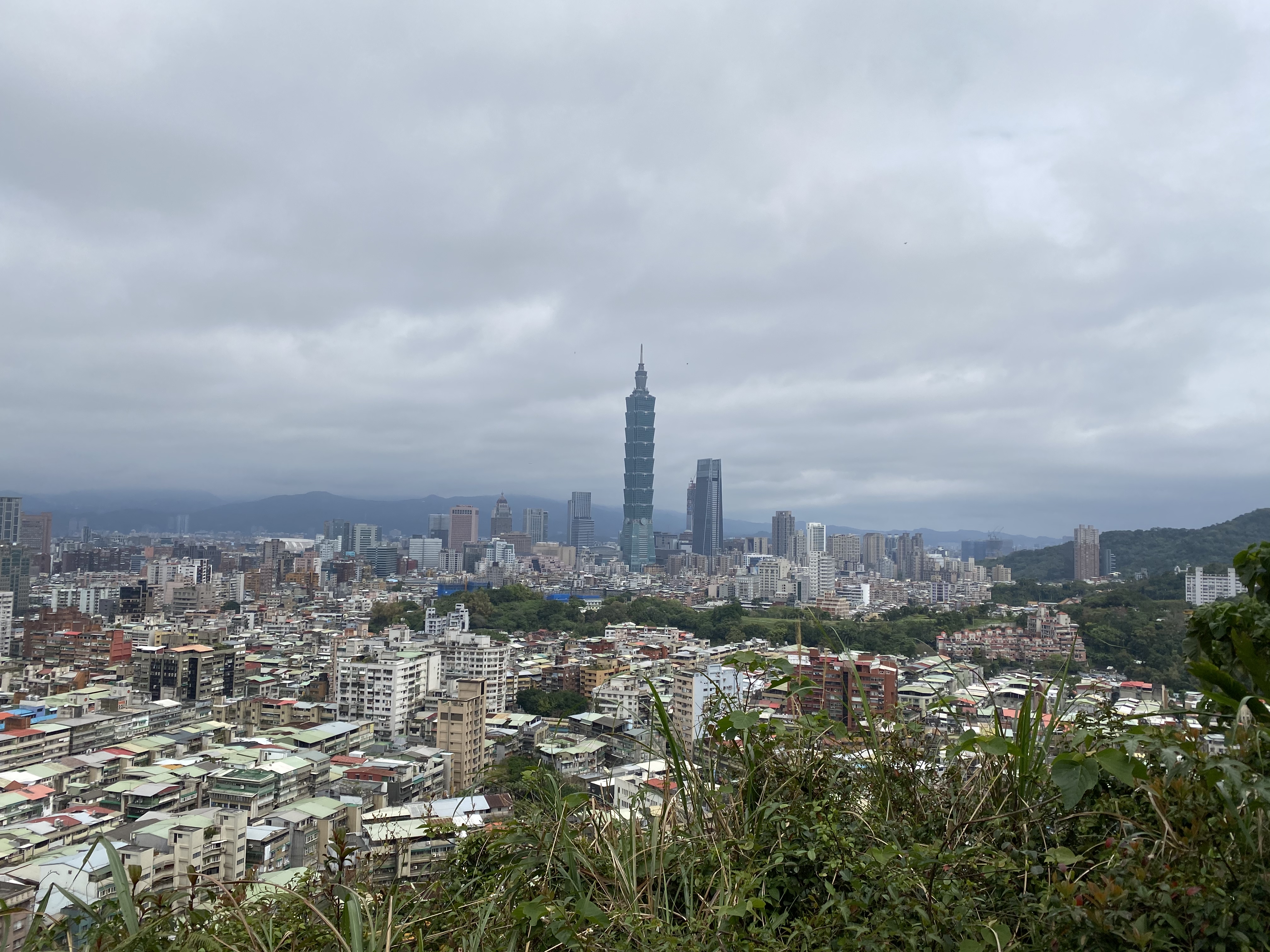
Count usable days, not nights booked
Put your arrival, departure, luggage storage or collection, and any fixed meals on the calendar first. Choose outings with the time left over. Three nights may give you two full days, or more or less depending on your flights. A hotel booking alone does not tell you whether a three-day plan will fit.
If you arrive with only an afternoon free, a neighbourhood visit that you can shorten is easier to adjust than a rush to a museum's last ticket sale. On departure day, work backwards from the time you must leave. Allow for collecting luggage, transfers and waiting before deciding how far to go. Check travel from your actual accommodation, using the day's services and your companions' walking needs; the distance between two landmarks is not the whole journey.
Sort your choices into three levels: the one thing you most want to do, something to add only if you still have energy, and shopping or photo stops you can readily drop. If you fall behind, remove optional activities that have not begun. Time already spent walking or eating cannot be deducted afterwards to make the schedule work.
Choose an area for what you want to explore
| What interests you | A direction to explore | How to make the choice more specific |
|---|---|---|
| Temple craftsmanship and old shop buildings | Lungshan Temple and Bopiliao in Wanhua | Choose one architectural detail in the temple and one row of buildings outside; compare how decoration draws your eye and how shopfronts face the street. |
| Objects and exhibitions | The National Palace Museum's Northern Branch | Choose an exhibition or a material before you go, and spend time with a few objects instead of trying to cover every gallery. |
| Animals, outdoor time or tea | Taipei Zoo in Muzha and Maokong | Decide whether the zoo or a tea break matters most; combine them only after considering opening arrangements, weather and energy. |
Wanhua rewards looking closely. The temple's guide to its craftsmanship helps identify details such as dragon columns and carved stone windows. Choose one from a position that leaves worshippers room to pass: identify its material, then follow its lines and the figures' poses. The temple also explains that some decoration has been remade, so do not assume everything visible survives from the original construction. At Bopiliao, turn to the relationship between the covered frontage, shop entrances and street. You do not have to enter every exhibition room.
At the National Palace Museum, bring a question into the gallery. With a ceramic vessel, look at its outline, rim and handles before reading the label and imagining its use. Comparing two objects can be more memorable than photographing ten in succession. Check the current exhibitions first, and choose from the galleries and objects available that day. Decide whether to see more after your main exhibition; being there already is not a reason to skip food or rest.
For Muzha and Maokong, first decide where you want to spend your time. If animals are the main attraction, select a few zoo areas and watch how the animals use height, shade and water. If tea is what you look forward to, allow time to sit down, order and drink slowly. Choosing both does not mean covering the entire zoo or adding distant tea plantations. Ask your chosen establishment about purchases, food service and seating conditions.
With two days, choose two themes; use a third for variety
With two full days, you might choose Wanhua and the National Palace Museum: one day for buildings and craftsmanship in everyday surroundings, another for objects in galleries. If you prefer being outdoors to visiting museums, replace the museum day with Muzha or Maokong. These are combinations of interests, not a score based on attraction count. Dropping something you do not particularly want to see makes room to enjoy what remains.
With a third full day, add a different kind of experience. If the first two days involve long periods of walking and standing, make the third smaller: keep one main activity, allow a seated meal, and leave the remaining space unfilled for now. When companions have different interests, take turns choosing the day's main purpose and agree together on what can be omitted. Adding everyone's entire list is rarely the useful compromise.
Opening arrangements come before the order of each day. Bopiliao's streets remaining open in the evening does not mean its exhibitions are still open. Nor should you plan to reach the Palace Museum ticket desk just before closing and only then start counting your visit. Mark these constraints first, then add lunch, travel and rest, rather than discovering a closure after building a tight timetable.
There is no need to add a distant night market every evening. Start with where the main activity ends and choose a suitable dinner. If you are tired, eating and returning to your accommodation makes a complete day. Accommodation areas and transport systems deserve their own planning; this first-visit list is about deciding what deserves your time each day.
Put opening days and weather into the final order
Bopiliao's visitor information lists Monday closure. From Tuesday to Sunday, the streets remain open until 9 p.m., while exhibition rooms close at 6 p.m. Schedule exhibitions within their own hours and adjust for special notices. Street access does not mean every indoor space is open.
The Northern Branch opening information lists the Palace Museum's main exhibition building as generally open Tuesday to Sunday, 9 a.m. to 5 p.m., with ticket sales and exchanges ending at 4:30 p.m. There are also special Monday openings. Check your actual date instead of assuming every Monday is either open or closed. Allow time for baggage storage, security and reaching the galleries; time inside the exhibitions is only part of the outing.
For the Maokong Gondola, consult the operating hours and maintenance calendar, then check service again on the day. Its suspension conditions include wind and lightning. Do not build a plan around service resuming as soon as rain stops. The zoo also has rotating exhibit closures and disaster-related closures; check the day's notices for the exhibits you want to visit.
If weather is unsuitable, you can swap days' themes before setting out, after checking the alternative's opening, tickets and arrival time. Once outdoors or up in the hills, follow local instructions and arrange a safe return first. Decide on further activities afterwards instead of rushing to catch up at another attraction. The places left on your plan should be ones you can explain wanting to see, not simply boxes still waiting to be ticked.