A day at Taipei Zoo and Maokong: watch animals closely, then make time for tea
Two themes are enough: habitats and a hillside tea break
Start at Taipei Zoo MRT station, spend the morning exploring two manageable areas of Taipei Zoo, and have lunch before leaving through the main entrance area. From there, walk to the gondola's Taipei Zoo station, ride up to Maokong, and settle somewhere suitable for tea. Return by gondola and finish at the MRT station. This is a day for a selective zoo visit and a restful afternoon, without adding Zhinan Temple, hiking trails or a tea-making experience.
One habit connects the two halves: look first, then read or ask. At the zoo, notice where an animal spends its time and how it moves before reading about its habitat. Over tea, describe what you smell and taste before asking about the tea's name, origin and processing. A few observations you can explain are more rewarding than collecting photographs of every famous animal and viewpoint.
Check that both places suit your chosen day. The zoo's opening information gives general hours of 09:00–17:00, with last admission at 16:00; animal exhibits generally close at 16:30. Individual buildings have separate closure schedules, and the whole zoo also has scheduled or emergency closures. The gondola operating calendar lists maintenance closures, so a weekday alone does not establish that it will run. Read both sets of notices before leaving. If a typhoon or transport disruption affects the trip, rescheduling is preferable to forcing an alternative.
Nine hours, with lunch, tea and the descent already included
This example starts at Taipei Zoo MRT station at 09:00 and ends there at 18:00: 540 minutes, excluding travel to and from your accommodation. These are editorial allowances for admission queues, walking, lunch, a tea break and both gondola journeys. They are not measured journey times or a promise that queues will fit. On Maokong, choose somewhere within a distance you can comfortably manage from the station; the plan does not depend on reaching a distant tea plantation or visitor centre.
| Time | Plan | Minutes |
|---|---|---|
| 09:00–09:25 | Walk from the MRT to the zoo's main entrance, buy tickets and check what is open | 25 |
| 09:25–10:25 | First area: choose a few exhibits and watch how animals use the space | 60 |
| 10:25–10:45 | Sit somewhere that permits drinking water and resting; reflect on your observations | 20 |
| 10:45–11:45 | Second area: compare vegetation, shelter and activity, walking at an easy pace | 60 |
| 11:45–12:00 | Walk to a practical lunch option and check the menu and seating | 15 |
| 12:00–13:00 | Order, wait, eat lunch and rest afterwards | 60 |
| 13:00–13:30 | Return to the main entrance area, leave the zoo and walk to the gondola station | 30 |
| 13:30–14:40 | Check ticket options, queue and ride uphill | 70 |
| 14:40–15:00 | Check the return signs after leaving the station, choose a tea venue and walk there | 20 |
| 15:00–16:10 | Confirm charges, wait, taste tea and take a proper seated break | 70 |
| 16:10–16:30 | Pack up, take a brief look at the surroundings and walk back to Maokong station | 20 |
| 16:30–17:40 | Queue, ride downhill and leave the station | 70 |
| 17:40–18:00 | Walk back to Taipei Zoo MRT station and check your onward direction | 20 |
Lunch is a full meal; afternoon tea does not automatically replace dinner. Arrange dinner separately after this schedule ends. If someone needs an earlier evening meal, descend sooner or make another workable meal plan instead of relying on snacks. Consider dietary needs before setting out, and check whether your chosen tea venue will be open, what its minimum charge is and whether ordering tea alone is acceptable.
Choose just two zoo areas: notice where an animal is before learning its name
On arrival, use the official map and area information to choose routes available that day and areas from which you can return to the main entrance within the two viewing sessions. The Formosan Animal Area and Tropical Rainforest Area are two possibilities to research beforehand; reduce the scope according to closures and your walking ability. This plan does not rely on the zoo train, a visit to the far end of the grounds or any particular animal appearing.
The zoo presents the Formosan Animal Area as a place to learn about Taiwan's native animals and conservation. For the first session, two or three exhibits may be enough. Look for shade, water, raised platforms and hiding places, then notice where the animal is. Is it resting, moving or repeating an action? Record only what you see; a brief moment cannot establish its mood, health or the habits of an entire species. If no animal is visible, reading about the habitat and examining the arrangement of the space can still give you a useful question. There is no need to wait until it appears.
The Tropical Rainforest Area introduction describes themes of rainforest environments, biodiversity and conservation. In the second session, shift attention from individual animals to plants and space. Where are the dense leaves, sheltered places and water? How does the position of an active animal differ from what you noticed earlier? These are designed exhibits, not complete replicas of wild rainforest. Use the labels to add context rather than treating the difference between two enclosures as a universal rule about habitats.
Follow the visitor rules: do not feed or touch animals, tap glass or cross barriers. Avoid flash in indoor exhibits and habitat corridors, and do not eat or drink in indoor exhibition spaces. An animal does not need to turn towards your camera. If children or other companions are tired, shorten the second session and find a permitted resting place instead of walking faster.
Have lunch before transferring, and distinguish the three Zoo stations
When choosing your morning route, also work out where lunch could fit and how you will return to the main entrance. The 15 minutes before lunch allow for walking, checking menus and finding seats. The following hour allows 15 minutes for ordering and waiting, 30 for eating and 15 for resting. Check actual opening, prices, seating and dietary requirements; the plan should not depend on one particular restaurant having a table. If it is busy, choose somewhere you can sit and finish a proper meal. If you know beforehand that lunch will need more time, shorten the second viewing session before it begins. If the delay only arises at lunch, adjust the rest of the day rather than subtracting a visit already completed.
Taipei Zoo MRT station, the gondola's Taipei Zoo station and the gondola's Taipei Zoo South station are different places. The official gondola access information explains that a walk is required after leaving the MRT. This route keeps the main entrance transfer after leaving the zoo; it does not assume an internal shuttle or the South station is a shortcut. Use the Taipei transport map to understand the MRT end of the journey, then follow signs to the gondola. The 30-minute allowance includes returning to the main entrance and walking between the sites. If you have gone farther into the zoo, turn back earlier; this is not a guaranteed walking time.
For a wheelchair, pushchair or a route with fewer steps, ask the zoo and gondola staff separately about routes and boarding assistance that day. The gondola riding rules set out equipment dimensions and staff guidance. Facilities at a station do not establish a continuously step-free route through the zoo, shops and hillside streets. Follow staff instructions when boarding and leaving, remain seated while moving, and do not stand for photographs or rock the cabin.
Make a pot of tea the afternoon's main activity
Check service status and the queue again before going up. The 70 minutes combine ticket arrangements, waiting and the ride; a long queue can still exceed them. They do not mean the gondola ride itself takes 70 minutes. A standard cabin offers views along the way, without adding another uncertain wait for a crystal cabin. At Maokong, leave the station and identify the return entrance before looking around, keeping the platform clear for other passengers.
From the cabin, notice how the city, treetops and slopes change in relation to one another. Do not identify every green patch as a particular tea plantation. Near the station, assess the distance, gradient and vehicle traffic you are comfortable with before choosing a venue. This route does not enter side trails or private farmland for photographs. In poor weather, use indoor seating only where you have confirmed it is available; if there is no suitable option, descend earlier.
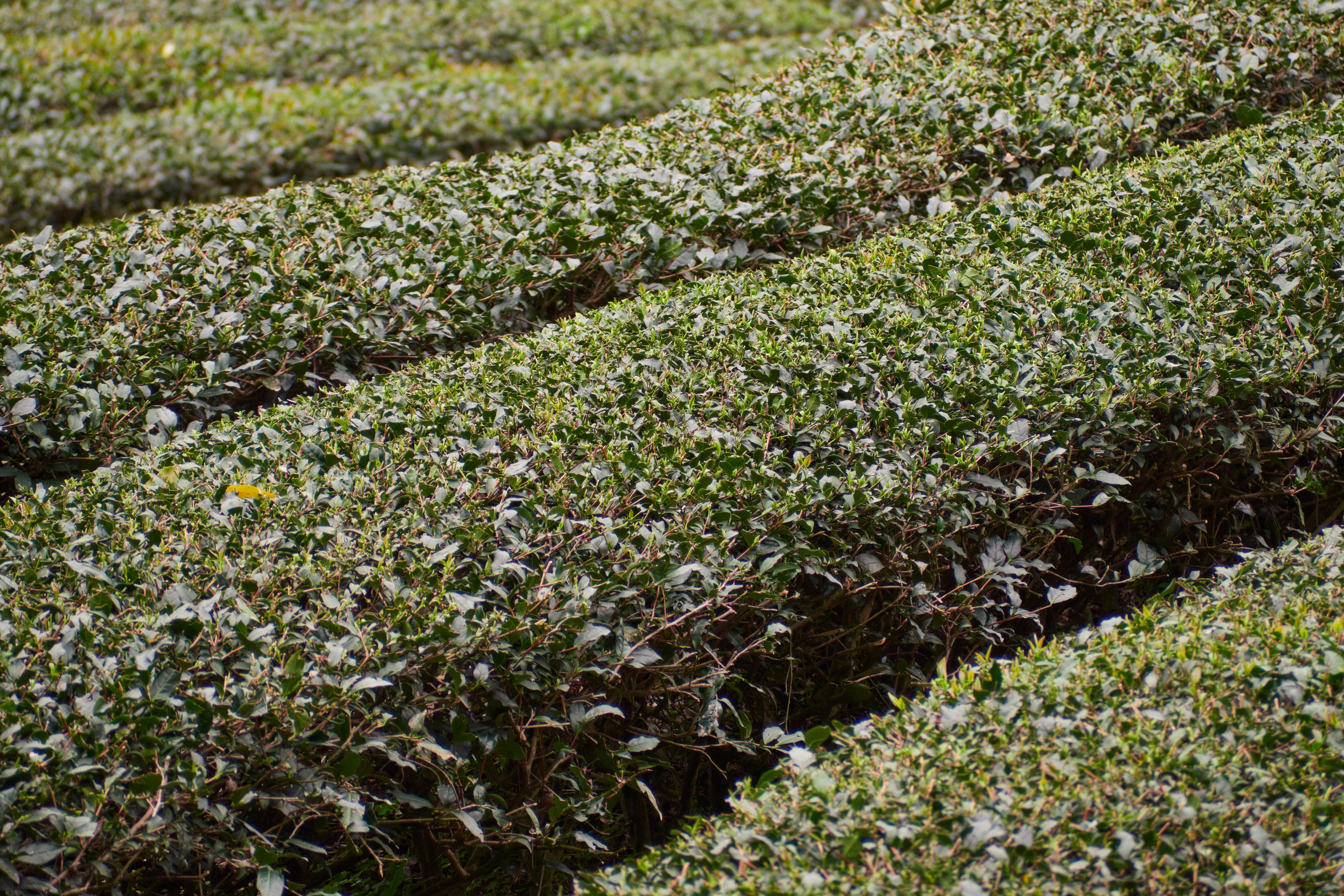
The city's Muzha tea industry introduction connects Tieguanyin production, roasting, rolling and tasting, and describes tea-growing and recreational services. It is useful background for preparing questions, not a promise that every tea shop offers demonstrations, free tours or tea picking. Before sitting down, ask whether tea is charged by the pot, per person or with a separate water charge. Check the minimum spend, brewing arrangements, refills, snacks and service charge, then order once the total and your companions' needs are clear.
You might smell the dry leaves first, then watch them unfurl after brewing. Let the tea cool enough to drink and describe its aroma, mouthfeel and finish. If you cannot identify a shop's description of a floral aroma, it is perfectly useful to say that one infusion seems stronger, gentler or longer-lasting than the previous one. Cups, brewing time and water temperature can affect the impression; ask staff about the differences rather than drawing conclusions about origin, quality or health benefits from one tasting. If you do not usually drink tea or need to avoid caffeine, ask ahead about alternatives. Completing the theme is no reason to force yourself to finish a drink.
The 70-minute tea stop allows 15 minutes to confirm charges and wait, 30 for tasting and observation, 20 simply to sit and rest, and five to pay. The next 20 minutes are for packing up, briefly enjoying the surroundings and walking back to the station, without a detour. Time in a chair is part of the day's pace, not an empty space to erase.
Separate ticket costs, service suspensions and delays
The zoo admission page lists ordinary admission at NT$100. Resident, concession and group rates have separate conditions; the lowest price is not automatically yours. The gondola fare page lists a standard-cabin full-fare single journey at NT$180 and a full-fare day ticket at NT$300. If you will take two eligible ordinary full-fare journeys on the same day, two singles total NT$360, which you can compare with the NT$300 day ticket. Check the applicable ticket, use and refund conditions. Crystal cabins carry an extra charge; upgrading is not necessary for this plan.
For that particular combination, ordinary zoo admission and the full-fare gondola day ticket total NT$400. Set a separate personal limit for lunch, tea and drinking water, such as NT$700 per person. That is a spending boundary you choose, not a local price estimate or a guaranteed meal package. MRT fares, extra meals and other purchases are additional. A gondola cabin is not a place to eat lunch or drink tea: the rules prohibit food and drink except plain or mineral water.
If the morning runs 30 minutes over its allowance, reduce the second session from 60 to 30 minutes before it begins, preserving lunch and the walk out. If the delay occurs after leaving the zoo, you cannot subtract time already spent. You can remove the optional sightseeing from the 20-minute return-to-station segment on Maokong while keeping the walking time actually needed, then reduce other remaining stops outside the tea break or change the finishing time according to queues. If tea, walking and the descent have too little margin, cancel the ascent rather than skipping food or rushing companions. Once uphill, a safe return takes precedence over finishing at exactly 18:00.
The official suspension conditions include strong wind, lightning and other safety situations. If you learn before setting out or while still downhill that the gondola is suspended, cancel Maokong. Only if you have not yet left the zoo, it remains open and the weather is suitable should you consider continuing a selective zoo visit and arranging a different return. Otherwise, finish early or reschedule. If service stops while you are uphill, ask station staff and follow evacuation arrangements. Do not assume a fixed reopening time, an immediate shuttle or that walking down mountain roads is a safe substitute. Quiet observation and proper rest matter more than filling nine hours regardless of conditions.