Where to stay in Tokyo: choosing Ueno, Shinjuku, Tokyo Station or Asakusa by the journey to your door
“Near the station” sounds reassuring on a hotel map. Put your airport train's arrival station, the hotel address and your first destination the next morning on the same map, though, and they may point in different directions. Ueno has Keisei, JR and subway stations; in Asakusa, the railway operator matters too. Around Shinjuku and Tokyo Station, you also need to know which side of the station your hotel is on. A district name narrows the search. The final stretch to the door often decides how comfortably the stay works.
This guide compares four areas rather than ranking hotels. Start with two or three properties that suit your room requirements and total budget. For each, identify the arrival station, the station you will use most days and the route to the hotel entrance. Large suitcases, an afternoon rest back in the room or a booked train the next morning can each change the best choice.
1. Start with the journey you will repeat, then consider arrival night
Write down the first and last destinations you are most certain about each day. If you expect to have breakfast and set off from the same neighbourhood for several mornings, the hotel does more than provide a bed. Being able to return with shopping or give a companion a rest belongs in the comparison. The airport journey usually happens twice; the walk between your hotel and a station may happen every day. For a single night before leaving Tokyo, the onward train and handling luggage may deserve greater weight.
| Area | What to establish first | When it deserves a closer comparison | An easily missed detail |
|---|---|---|---|
| Ueno | Whether the hotel is nearer Keisei Ueno, JR Ueno or a particular subway entrance | You plan to arrive on the Skyliner and your daily destinations work well with Ueno | The walk from the airport train to the hotel may differ from the route to tomorrow's train |
| Shinjuku | Whether you will actually use Shinjuku, Shinjuku-sanchome, Seibu-Shinjuku or another nearby station | You will start or finish several days around Shinjuku, or choose an airport service stopping there | A Shinjuku address does not tell you which station or which east, west or south-side approach you need |
| Tokyo Station | Whether the hotel is on the Marunouchi or Yaesu side, and where to board your booked train | You have an onward journey from Tokyo Station and want to limit changes of base with luggage | Airport arrival, baggage storage, the hotel and the next train may be in different parts of the station area |
| Asakusa | Whether the relevant station belongs to Toei, Tokyo Metro, Tobu or Tsukuba Express (TX) | You want Asakusa as a morning and evening base, and your chosen airport service fits the hotel location | Read the operator's name before applying an exit from another search result for “Asakusa Station” |
Use the table to decide which candidates warrant investigation. Open the hotel's own access page beside the station map: the combination reveals more than a station name on a booking page.
2. Separate Narita from Haneda, and read the full train name
For a Narita arrival, Ueno presents a different choice from Tokyo Station or Shinjuku. The airport's rail information lists Keisei Ueno and Nippori for the Skyliner, and major stations including Tokyo and Shinjuku for the Narita Express (N'EX). Choose the service you intend to use, then plot its arrival station beside the hotel. Calling every option an “airport express” hides a useful distinction.
That distinction particularly matters for Asakusa. Toei's airport access guidance explains through services involving Keisei and the Toei Asakusa Line, and explicitly distinguishes the Skyliner: it runs to Nippori and Ueno, not through onto the Asakusa Line. If an Asakusa hotel appeals to you, check the destination and stops of a service available on your travel day. A Skyliner ticket does not by itself arrange a direct ride to Asakusa.
Use JR East's N'EX information to compare arrivals at Tokyo Station and Shinjuku. Check the service, stops and operating notices for your date before choosing the hotel. The trains have large-luggage areas, but JR East also states that space is limited and available on a first-come basis; the size and shape of a case can affect whether it fits. That is different from having a reserved place for every large suitcase.
For Haneda, first distinguish Keikyu from Tokyo Monorail. The airport's official rail page links to both operators so you can check routes and services for your terminal. Tokyo Monorail connects with Hamamatsucho; Keikyu has through-running arrangements with the Toei Asakusa Line. Your terminal, the actual train destination and the hotel address should guide the choice. Seeing “Tokyo” in a description does not mean the train goes to Tokyo Station.
For an evening arrival, look up the complete journey using a plausible departure time after immigration and baggage collection. Check the hotel's check-in deadline and how to contact it if you are delayed. Scheduled touchdown is not the time you reach the station. A train still leaving the airport does not, on its own, establish that the final connection will work.
3. Ueno and Asakusa: separate stations with the same area name
Map a Ueno hotel twice. First, start from the airport train's arrival station and work out the approach with luggage. Then start from the line you expect to use each day and check the route from the hotel. The Keisei Ueno station and exit maps separately indicate directions towards JR Ueno and Tokyo Metro Ueno. Related names do not make these a single arrival point with no movement between them.
If one hotel has a more convenient approach from Keisei Ueno and another works better for your daily train, consider how many nights you are staying, how much luggage you have and whether you expect to return to the room during the day. A short stay and a longer stay can justify different answers. Read a hotel's walking-time claim together with the exit it starts from. If you need lifts, check the route you will actually use, rather than simply whether the station has a lift somewhere.
For Asakusa, write the railway operator beside each shortlisted hotel. Tsukuba Express's information for TX Asakusa gives that station its own address, map and surroundings, and lists the Tobu, Tokyo Metro and Toei Asakusa stations as nearby destinations. Read it as a distinct station, rather than treating every “Asakusa Station” result as the same doorway.
Wanting to spend early mornings or the hours after dinner in Asakusa is a reason to stay for the rhythm of the neighbourhood, without counting attractions. Still check the next day's journey. Use the station that makes sense for the hotel address, rather than quietly adding a walk with luggage or a late-evening walk just to fit a more familiar route.
4. Shinjuku and Tokyo Station: choose a side before counting lines
Shinjuku offers many transport options, but choosing a hotel does not require memorising every line. Locate the hotel, your airport arrival point and tomorrow's platform or station, then see whether they repeatedly pull you in different directions. Shinjuku City's terminal maps distinguish street level, underground passages and nearby stations, with additional lift and stair information. Use them to understand the east, west and south sides and names such as Shinjuku-sanchome and Seibu-Shinjuku; follow updated maps and signs when travelling.
If several days begin and end around Shinjuku, an address with an easy-to-understand return route may be more useful than access to an impressive number of lines. If your daily plans centre on Shinjuku-sanchome, compare addresses around that station directly. There is no need to recalculate every journey from JR Shinjuku merely because both belong to the same wider area.
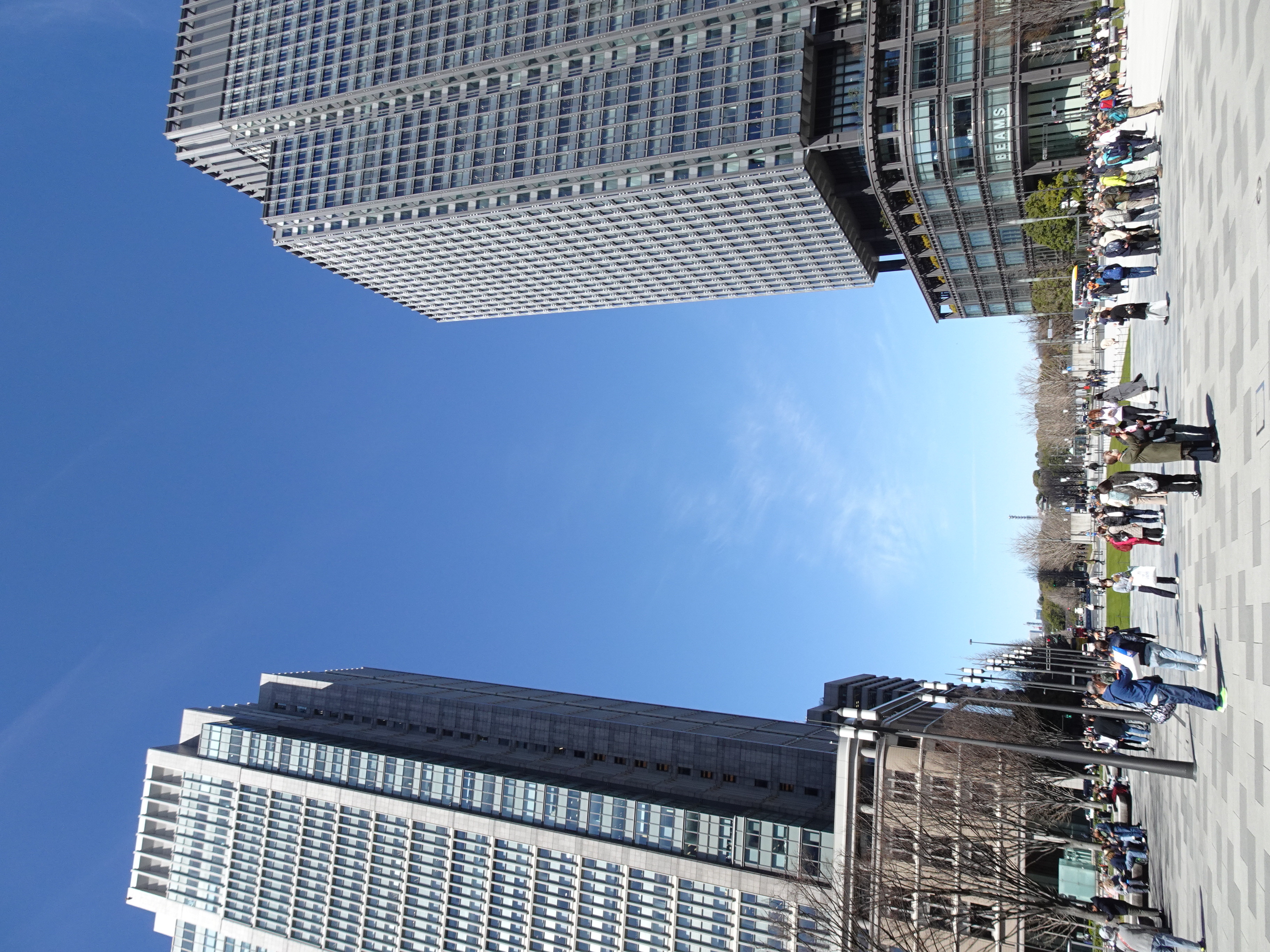
At Tokyo Station, separate Marunouchi from Yaesu. Tokyo Station City's maps and baggage information show entrances on both sides and distinguish storage inside and outside the ticket gates. Put dropping off a bag and collecting it before your train into one sequence. The nearest exit, whether you must pass through gates and whether the counter will still be open at collection time can all change the detour you thought you were avoiding.
A booked departure from Tokyo Station the following morning can be a clear reason to choose a nearby hotel: you can organise luggage the night before and make a manageable trip to the train. That does not make the station area the best centre for every itinerary. Check the directions you will travel most often over the rest of the stay. The presence of lockers or a storage counter also does not guarantee space on arrival, so confirm the hotel's own storage terms as a possible alternative.
5. Use two practical scenarios to narrow the shortlist
Suppose you arrive at Narita, stay several nights and spend much of the trip around Ueno, Asakusa and Ginza. Start by comparing Ueno and Asakusa, checking the airport arrival point separately from the subway station you will use daily. Tokyo Metro's official line and station list places Ueno, Asakusa and Ginza on the Ginza Line. That helps you understand the pattern of daily travel; the hotel address still determines the approach to the entrance. If you plan to return to the room for a rest every day, the repeated walk may deserve closer attention than one transfer on arrival night.
For a second scenario, imagine several days around Shinjuku-sanchome, Meiji-jingumae and Shibuya. The official list puts these stations on the Fukutoshin Line. Compare accommodation using the stations you will actually board at, rather than stopping at “stay in Shinjuku for western Tokyo”. If you also have an onward departure from Tokyo Station partway through the trip, include that journey with luggage before deciding whether to keep one hotel or change base.
A hotel move adds packing, check-out, travel, baggage arrangements and another check-in. Splitting the stay is more persuasive when the repeated travel saved outweighs those tasks, or when the itinerary already takes you out of Tokyo. Staying in all four areas for its own sake can turn a useful half-day of rest into a moving day.
6. Compare the room price and the journey back before booking
Compare the final two hotels for the same dates, number of guests, room type and cancellation terms. Check bed arrangements, the space you need for luggage and whether your companions can manage the actual walking route. List airport tickets, likely daily transport and necessary storage costs separately from the room price. Decide whether a transport pass saves money only after confirming the itinerary and your eligibility.
Make questions to the hotel specific: “We may arrive within this time window; will check-in still be available?” “Can we leave bags before check-in and after check-out, and what size, time or fee conditions apply?” If evening outings are an important reason for choosing an area, check the entire return from that day's final destination. Underground passages, links through shopping centres and service counters need to be checked for the time you expect to use them.
When two hotels seem closely matched, trace arrival night on the map: which train you leave, which side you exit, whether you need to store luggage and where you find the hotel entrance. Then trace an ordinary day: the station after breakfast, the return when you need a rest and the trip back after dinner. An address you can explain through both journeys often makes a better Tokyo base than a district name that seems to promise convenience for everything.